Discover the ultimate Vietnam packing checklist tailored for Singaporean travellers. Prepare for any adventure, from hills to beaches!
Vietnam packing checklist for every Singaporean traveller
TL;DR:
- Packing for Vietnam requires careful planning across documents, health supplies, and clothing due to its diverse climate and tour types. Singaporean travelers should pay special attention to luggage weight limits, current health requirements, and weather variations within the country. A flexible, destination-specific packing list ensures a smooth and enjoyable Vietnam experience.
Packing for Vietnam sounds straightforward until you realise you’re heading to a country where temperatures swing from 10°C in Sapa’s winter hills to a sweaty 38°C in Ho Chi Minh City, where monsoon rains can drench you in minutes, and where your itinerary might shift from a heritage walking tour one morning to a Ha Long Bay kayak session the next. Most generic packing lists treat Vietnam as a single destination, but Singaporean travellers face specific challenges around visa paperwork, health requirements, and baggage rules on direct Singapore-Vietnam flights. This guide cuts through the confusion with a structured, practical checklist built for how Singaporeans actually travel.
Table of Contents
- Your essential Vietnam packing criteria
- Must-have items for health and safety
- Clothing strategies for Vietnam’s unpredictable weather
- Special items for your tour style: Group, theme, and duration
- Quick comparison: Sample packing lists for popular Vietnam tours
- What most packing lists miss: A Singaporean traveller’s view
- Planning ahead? Make your tour even smoother
- Frequently asked questions
Key Takeaways
| Point | Details |
|---|---|
| Structured checklist makes packing easier | Use a documents, health, and essentials framework for complete coverage. |
| Climate adaptation is crucial | Include flexible layers and rain gear for Vietnam’s dramatic weather shifts. |
| Health and safety items are non-negotiable | Prepare a personal health kit and purify drinking water for every tour. |
| Tailor extras to your tour style | Adapt packing for city, family, adventure, or business itineraries. |
| Expert resources reduce travel stress | Consider local tour providers for up-to-date advice and seamless logistics. |
Your essential Vietnam packing criteria
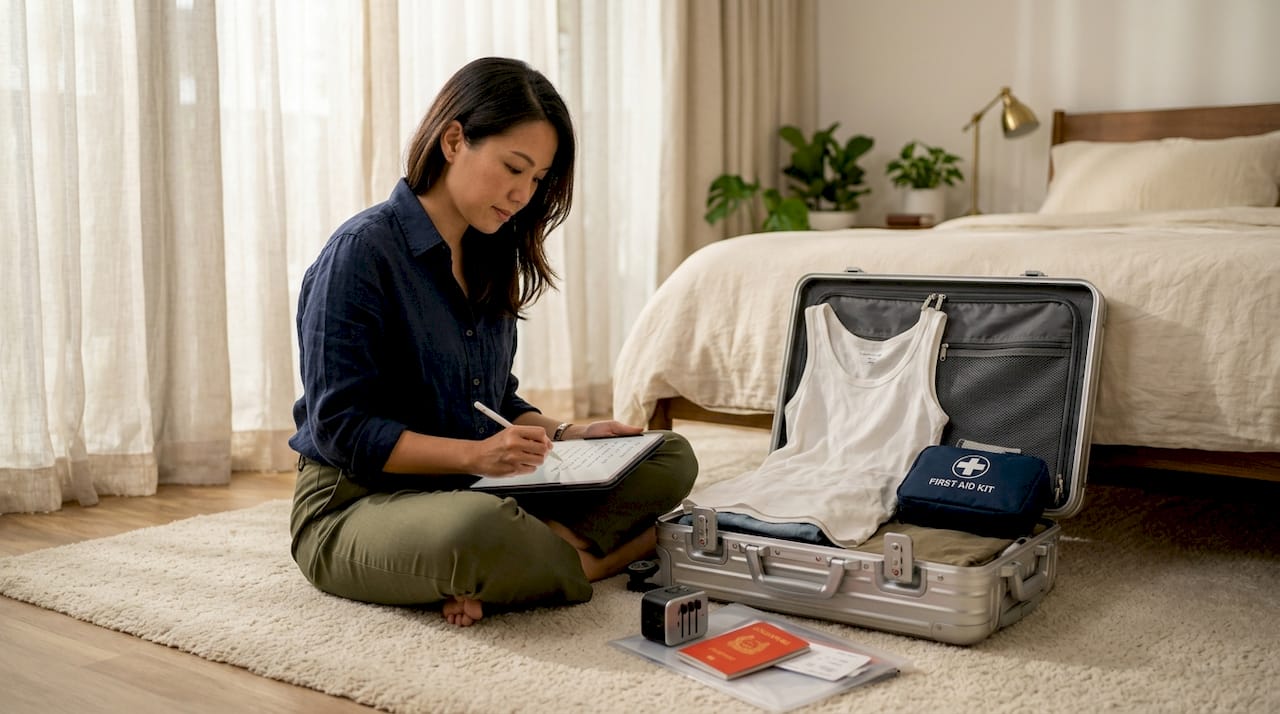
Before you open a single drawer, you need a framework. Packing for Vietnam works best when you think in three clear pillars: documents, health, and daily essentials. This structure prevents the usual last-minute scramble and ensures nothing critical gets left behind.
Documents form the non-negotiable foundation. Start by checking your Vietnam visa requirements well before departure. Your passport must be valid for at least six months beyond your travel dates, and your printed or digitally accessible e-visa should be stored in at least two formats. Waterproofing is serious business here. A zip-lock bag or a slim document wallet protects your passport, e-visa printout, travel insurance certificate, and hotel booking confirmations from tropical humidity and unexpected rain. As a structured packing approach recommends, keeping a dry-proof document set alongside basic medicines is the single best habit you can adopt.
Health items come second, and we will expand on these fully in the next section. For now, know that the CDC Vietnam packing guidance treats health kit items as just as essential as your passport. Masks, hand sanitiser, and basic medicines belong in your carry-on, not your checked luggage.
Daily essentials include the practical items that keep your trip running smoothly: a universal power adaptor (Vietnam uses Type A, C, and F sockets), a portable charger, local currency alongside your card, and a reusable bag for market visits.
Pro Tip: If you’re watching luggage weight, prioritise documents and health items in your carry-on first, then fill your checked bag with clothing organised by weather zone. Review budget tips for Vietnam to see how buying some essentials locally can actually save luggage space and money.
Key documents and essentials checklist:
- Passport (valid for 6+ months beyond return date)
- Printed and digital e-visa
- Travel insurance certificate with emergency contact numbers
- Hotel and tour booking confirmations
- Universal power adaptor and portable charger
- Small amount of Vietnamese Dong for arrival essentials
- Hand sanitiser and face masks in carry-on
Must-have items for health and safety
With your documents sorted, health and safety items deserve serious attention. Vietnam is a wonderful destination, but gastrointestinal issues, mosquito-borne illnesses, and sun exposure are real risks that a well-packed kit can minimise significantly.
A solid medical kit should include paracetamol for fevers, antihistamines for allergic reactions, oral rehydration salts for dehydration (especially critical in humid southern Vietnam), anti-diarrhoea tablets, plasters, antiseptic wipes, and a digital thermometer. These items are sometimes available in Vietnamese pharmacies, but sourcing them when you’re already unwell in an unfamiliar city is stressful. Bring your own.
Insect repellent is non-negotiable. Dengue fever is present in Vietnam year-round, particularly in urban and lowland areas. Choose a repellent with at least 20% DEET and apply it every time you head outdoors, especially at dawn and dusk. If you prefer a DEET-free option, picaridin-based repellents offer solid protection. The CDC’s health-focused packing list specifically highlights insect repellent, sunscreen, and water purification as core items for Vietnam travel.
Sunscreen often gets forgotten by travellers who think cloud cover means protection. Vietnam’s UV index regularly hits 11 or above, even on overcast days. Pack an SPF 50 sunscreen and reapply every two hours during outdoor activities. A light, long-sleeved shirt serves double duty: sun protection and mosquito defence.
Water safety is another area where preparation pays off. In cities like Hanoi and Ho Chi Minh City, bottled water is cheap and widely available. On rural adventure or trekking tours, access may be limited. A UV purification pen or a filtering water bottle adds little weight but significant peace of mind.
Before departure, visit a travel health clinic or your GP to ask about vaccines recommended for Vietnam, including hepatitis A, typhoid, and Japanese encephalitis depending on your itinerary. Malaria prevention may also be relevant for off-the-beaten-path tours in border regions.
Pro Tip: If your Vietnam tour includes specific activity-based packing steps, like a cycling day or river cruise, your health kit priorities shift slightly. Pack blister plasters and motion sickness tablets for those additions.
Health and safety must-haves:
- Paracetamol and antihistamines
- Oral rehydration salts
- Anti-diarrhoea medication
- Insect repellent (DEET 20%+ or picaridin-based)
- SPF 50 sunscreen
- Antiseptic wipes and plasters
- Digital thermometer
- Water purification pen or filtering bottle
- Prescribed medications in original labelled packaging
Clothing strategies for Vietnam’s unpredictable weather
Clothing is where most packing confusion happens, and rightly so. Vietnam stretches across 15 degrees of latitude, meaning what you wear in Da Nang in January is very different from what works in Ho Chi Minh City in July.
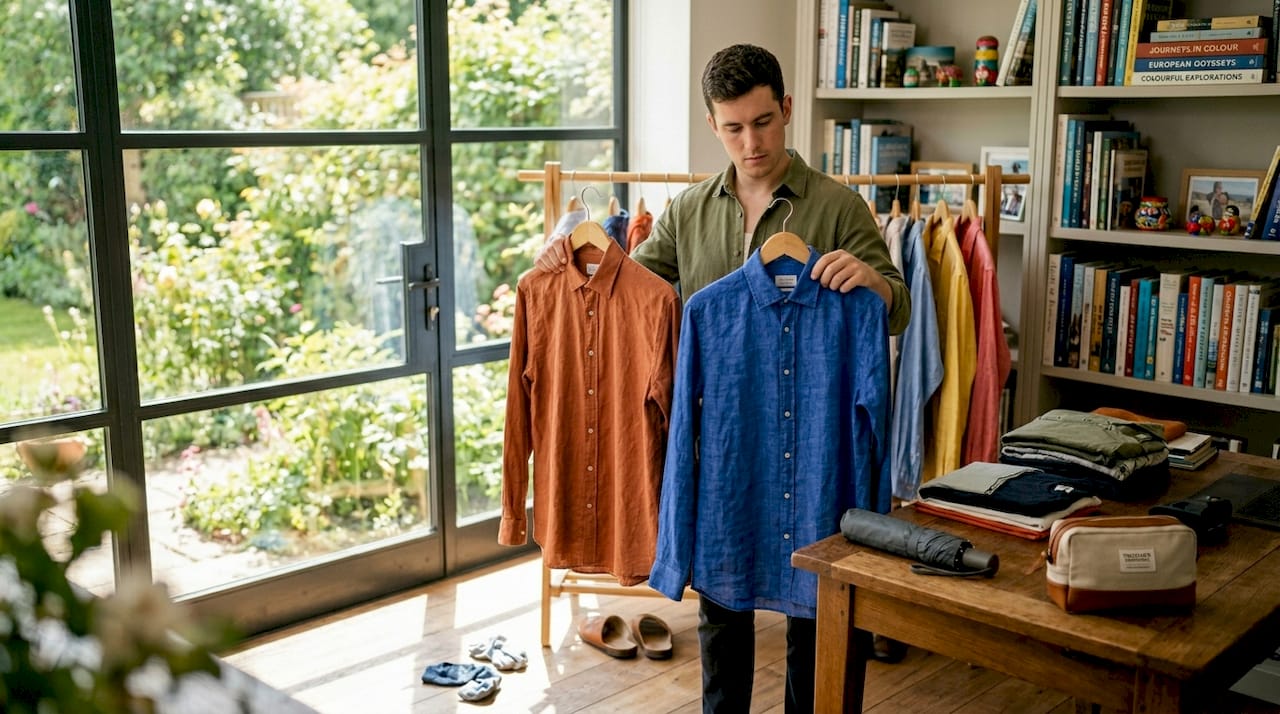
For southern Vietnam and most of the year in central regions, light, breathable fabrics are your best friends. Linen, light cotton, and moisture-wicking synthetics keep you comfortable in high humidity. Avoid heavy denim if you can; it takes forever to dry and feels oppressive in 33°C heat.
Northern Vietnam in winter (roughly November through February) is a different story entirely. Hanoi evenings can drop below 15°C, and Sapa can see temperatures near freezing. As northern winter packing advice confirms, a warm layer is essential alongside your usual breathable clothing. A packable down jacket or a thermal mid-layer fits easily into any bag and makes an enormous difference in comfort.
Rain gear is critical everywhere. Central Vietnam, particularly around Hoi An and Da Nang, sees intense rainfall during the October to December period. But sudden downpours happen even in the dry season. A packable rain poncho beats an umbrella every time because it keeps your hands free and works in wind. Check when to visit Hoi An and weather in Ha Long Bay before finalising your clothing choices around Vietnam’s travel seasons.
Pro Tip: Layering beats overpacking every time. Four light pieces that can be mixed and worn in combinations beat eight single-purpose items. A scarf works as a sun cover, a shawl in cool temples, and a pillow on overnight trains.
Clothing recommendations:
- Light cotton or linen shirts (minimum 5 days’ worth)
- Breathable trousers and shorts
- Packable rain jacket or poncho
- Warm mid-layer or down jacket (for northern winter travel)
- Comfortable walking shoes and one pair of sandals
- Moisture-wicking socks
- A scarf or lightweight shawl
- Swimwear if your tour includes beaches or pools
Special items for your tour style: Group, theme, and duration
Once the foundation is set, your specific tour type determines which extras genuinely earn their place in your bag. Different themes call for very different additions.
City and cultural tours (think Hanoi’s Old Quarter or a Ho Chi Minh City history circuit) demand smart footwear, a small daypack, and perhaps slightly smarter clothing for restaurant dinners. A portable WiFi device or a local SIM card is worth its weight in gold for navigation.
Adventure and outdoor tours (Ha Long Bay kayaking, Sapa trekking, or motorbike routes through the central highlands) require a different kit entirely. Trekking shoes with ankle support, a hat with full brim coverage, a reusable insulated water bottle, and waterproof dry bags for electronics all become essential. A lightweight microfibre towel is another overlooked gem for boat-based or beach-adjacent tours.
Family tours add their own layer of complexity. Snacks from Singapore (familiar biscuits and drinks) help picky eaters, especially children, cope with unfamiliar food. Extra changes of clothes for young children are an absolute must given how quickly clothes get soiled in humid heat. Portable entertainment like a loaded tablet eases long bus transfers between destinations. For specific advice on tours for families or groups, planning the packing around your itinerary is always the smartest approach. As the OhThePlacesWeSee packing guide notes, a documents-health-essentials structure adapts well across all tour types when applied thoughtfully.
Tour duration matters too. For a short three-day city break, pack light and plan to do laundry or use hotel services. For a ten-day adventure circuit, a mid-sized 40-litre bag with smart organisation beats a massive suitcase on bumpy transfers between towns.
Prioritised extras by tour type:
- Adventure tours: trekking shoes, dry bags, microfibre towel, brimmed hat
- Family tours: snacks, children’s entertainment, extra clothing sets, compact first-aid
- City tours: smart casual outfit, local SIM or portable WiFi, lightweight daypack
- Long-haul tours (7+ days): laundry sheets or portable detergent, extra socks and underwear
Quick comparison: Sample packing lists for popular Vietnam tours
Use this at-a-glance table to check what extras each tour type demands beyond the universal essentials. It reinforces the advice above and makes the final packing decision faster. For a broader overview of how packaged tours simplify your Vietnam holiday, itinerary-matched packing is one of the biggest advantages of booking with a specialist.
| Item | City tour | Adventure tour | Family tour |
|---|---|---|---|
| Light breathable clothing | ✓ | ✓ | ✓ |
| Packable rain jacket | ✓ | ✓ | ✓ |
| Trekking/trail shoes | ✗ | ✓ | Optional |
| Smart casual outfit | ✓ | ✗ | ✓ |
| Dry bags for electronics | ✗ | ✓ | ✓ |
| Microfibre towel | ✗ | ✓ | ✓ |
| Snacks and kids’ food | ✗ | ✗ | ✓ |
| Portable entertainment | ✗ | ✗ | ✓ |
| Brimmed hat | Optional | ✓ | ✓ |
| Local SIM or portable WiFi | ✓ | ✓ | ✓ |
| Reusable insulated bottle | ✓ | ✓ | ✓ |
| Formal/smart dress | Optional | ✗ | ✗ |
The table makes one thing clear: the universal essentials stay constant, but about 30% of your packing changes based on tour theme. Plan accordingly rather than copying a list designed for a different kind of traveller.
What most packing lists miss: A Singaporean traveller’s view
Generic packing lists, most of them written for Western backpackers flying out of London or New York, miss several things that matter specifically to Singaporeans.
The first is baggage weight. Direct flights from Singapore to Hanoi, Da Nang, and Ho Chi Minh City on budget carriers often have strict 20 to 23 kilogram checked luggage limits. Going over costs money and creates stress. Singaporeans are also experienced travellers who know how to pack light, but Vietnam’s multi-destination tours can tempt overpacking because the weather genuinely varies between stops on a single itinerary.
The second gap is health paperwork. Vietnam has updated its health entry requirements in recent years, and travellers with pre-existing conditions or specific medications need to carry documentation explaining what they’re bringing in. What was fine two years ago may require a doctor’s letter today. Staying current matters more than relying on a downloaded PDF from three years ago.
The third and most underappreciated factor is climate contrast within a single trip. Singaporeans are accustomed to consistent year-round heat, which makes the cold of a northern Vietnam winter genuinely uncomfortable rather than merely inconvenient. We have spoken with Singaporean groups who arrived in Sapa in January wearing nothing but t-shirts because their checklist never mentioned cold. Checking Vietnam’s travel seasons before packing is not optional for multi-region tours.
Our view, formed from supporting hundreds of Singaporean group and family tours, is that the best packing approach is a living document, not a one-time PDF download. Update your list for each trip based on your specific destinations, tour length, and current entry requirements. A structured checklist is a starting point, not a final answer.
Planning ahead? Make your tour even smoother
You now have the framework for a confident, comprehensive packing list. But a well-packed bag is only half the picture.
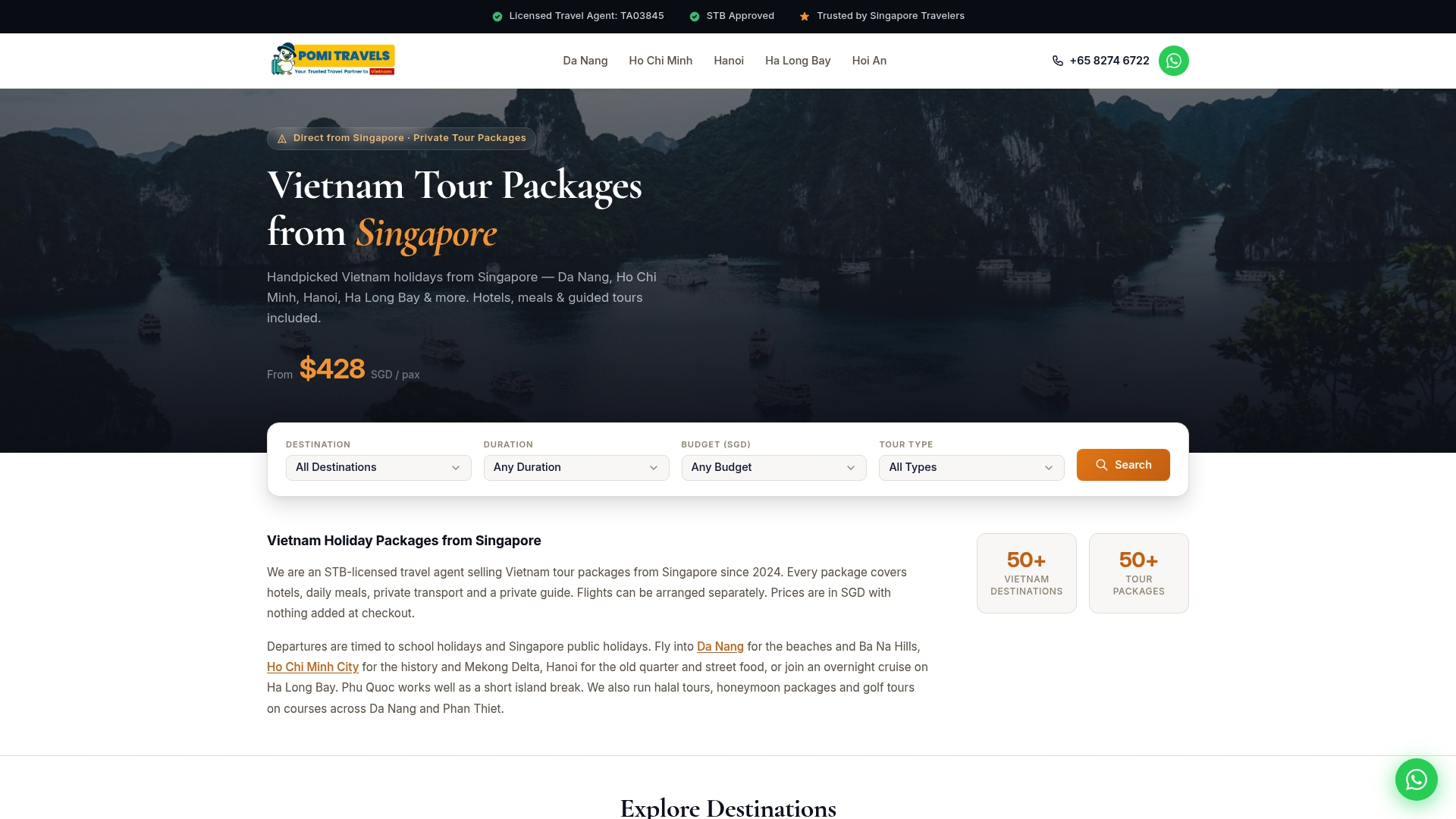
When you book through a specialist in Vietnam tour packages built specifically for Singaporeans, itinerary planning and destination-specific packing advice come as part of the service. You will know exactly what each leg of your trip demands before you start filling your suitcase. Whether you are considering a Ho Chi Minh City long weekend, a multi-city adventure, or a custom corporate group trip, our team can guide your preparation from checklist to confirmation. Reach us directly on WhatsApp for personalised advice that a generic list simply cannot provide.
Frequently asked questions
What travel documents do I need for Vietnam as a Singaporean?
Singaporeans need a passport valid for at least six months, an approved e-visa, and travel insurance for entry to Vietnam. Following a documents-first packing structure ensures nothing critical is left behind.
Is tap water safe to drink in Vietnam?
Tap water is generally not safe; always use bottled water or bring water purification tablets or a filtering bottle. The CDC’s Vietnam guidance lists water purification as a core packing item.
How should I pack for Vietnam’s rain and sudden weather changes?
Always bring a packable rain jacket or poncho, even in dry seasons, as storms can occur unpredictably across all regions. As expert rain packing advice confirms, a poncho outperforms an umbrella in Vietnam’s heavier downpours.
What health kit items are most important for Vietnam travel?
Include basic medicines, insect repellent, sunscreen, and masks to handle common travel health risks effectively. The CDC packing checklist treats these as non-negotiable for any Vietnam itinerary.
Does what I pack change for different tours or destinations in Vietnam?
Yes, city breaks, adventure tours, and family holidays each require unique extras beyond the universal essentials. Use the tailored packing comparison guide alongside the table in this article to adapt your checklist for each specific trip.
Recommended
- Vietnam Visa Requirements for Singapore Citizens 2026 | VietnamTourPackage.sg
- Tipping Culture in Vietnam | VietnamTourPackage.sg
- Ho Chi Minh City Itinerary for Singapore Travellers | VietnamTourPackage.sg
- Ho Chi Minh City Street Food Guide for Singaporeans | VietnamTourPackage.sg